
… And What Nobody Really Tells You!
Moving to London for university is exciting, but the first few weeks can feel stranger than people admit. You can be thrilled to be there and still feel overwhelmed, homesick, tired, or completely out of routine.
Everyone talks about what to pack. Nobody talks about losing your routine. The laundry jokes are tired. Yes, you’ll need to figure out the washing machine. But the real adjustment is something much harder to articulate: the sudden, total responsibility for your own daily life.
At home, there were invisible structures keeping your days in shape. Meals appearing at roughly the same time, someone reminding you it’s late, a household rhythm you absorbed without noticing. Moving away strips all of that away at once.
Nobody tells you when to sleep, when to eat, when to study, or when to leave your room. Nobody is tracking whether you’ve had a proper meal today or been outside in the last 48 hours.
Freedom sounds exciting until you realise you have to create your own structure, and that structure doesn’t come from nowhere.
This isn’t a warning. It’s preparation. The students who settle in fastest aren’t necessarily the most outgoing, they’re the ones who quietly build a framework for their days before that lack of structure starts to feel like drift.
Loneliness can still happen even when you’re surrounded by people.
This one catches people off guard more than anything else. You’re in a building full of students. There are hundreds of people your age within a short walk. And yet, particularly in weeks one and two, you might feel alone.
Flatmates take time to warm up. Everyone is performing a slightly more confident version of themselves in those first weeks, which makes genuine connection harder, not easier. The pressure to “have the best time of your life” from day one is a real and exhausting expectation to carry.
Missing home, missing your family, your friends, your dog, the specific smell of your kitchen, can hit at completely random moments. In the middle of a supermarket. On a Sunday afternoon when there’s nothing structured to do. During a group dinner where the conversation hasn’t quite found its rhythm yet.
None of this means something has gone wrong. It means you’re a person with attachments, adjusting to a significant change. That’s not a problem to solve, it’s just something to move through, a little at a time.
The fastest way to settle in is building tiny routines.
Not a rigid timetable. Not a productivity system. Just small, repeatable anchors that give your week a bit of shape and give your brain something to recognise as familiar.
These don’t need to be grand or deliberate. They tend to happen naturally when you allow them to, but it helps to be intentional at the start.
- A regular morning coffee spot that becomes “yours”
- An evening walk through a local area you start to know
- A gym session at the same time each week
- Shared dinners with flatmates who become familiar faces
- A study space outside your room that feels like a destination
- A weekly event or social that marks the end of the working week
The magic of small routines is that they create familiarity without pressure. After a few weeks, parts of London start to feel like yours. That feeling is worth building towards.










Your accommodation affects your experience more than people think.
This might sound like something a property company would say, so let us be specific about what we actually mean.
The physical design of where you live has a surprisingly direct effect on whether you meet people or stay isolated. Not because of events on a calendar, but because of the everyday situations your environment creates, or doesn’t.
- A kitchen where you actually see the same people. Top tip: host a flatmate dinner
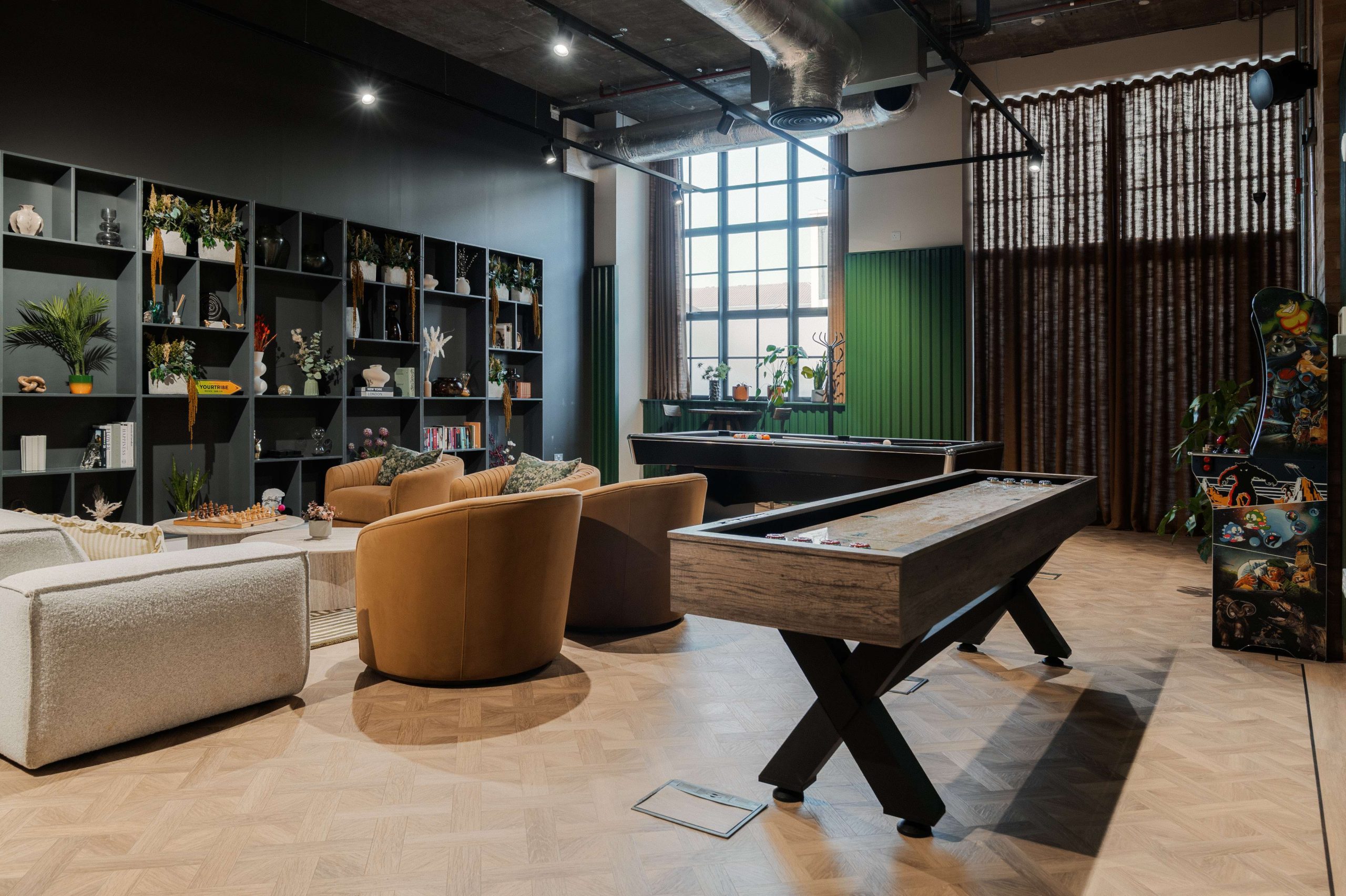
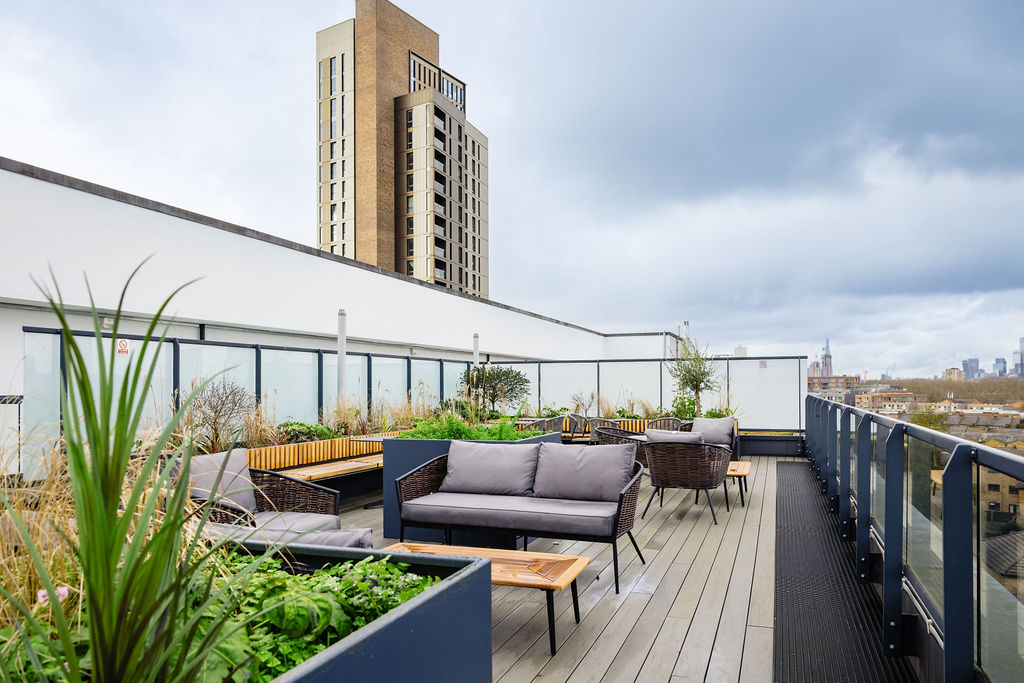
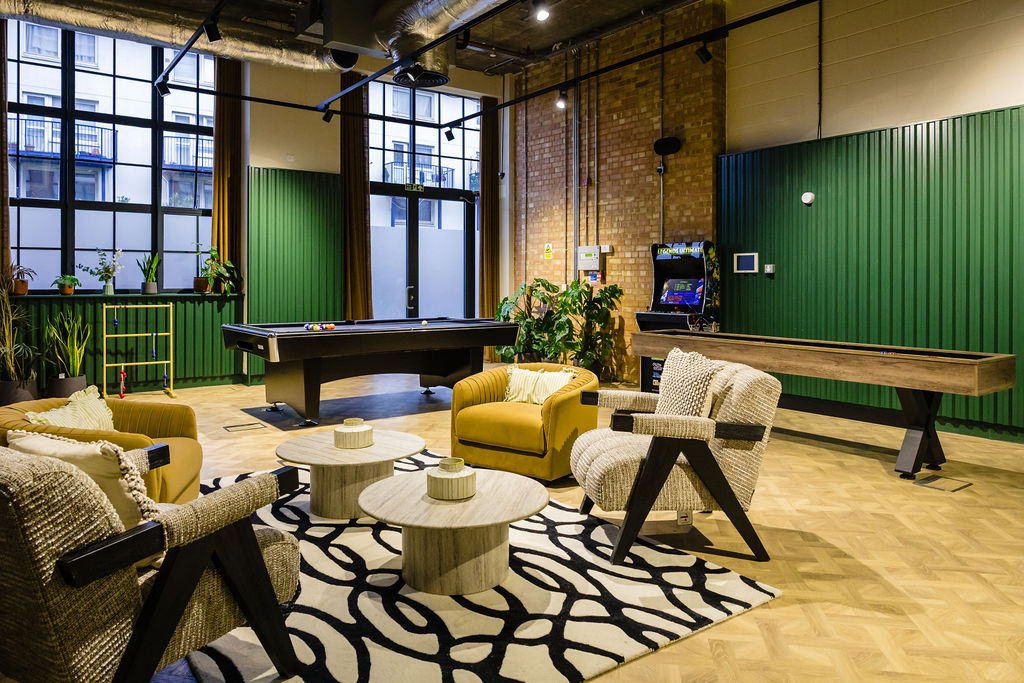
- Socail spaces that gives you somewhere to go other than university and your room
- Events that give your week a bit of structure while making special memories
Teams who you’ll get to know and immediately make your new home welcoming
When you’re sharing a kitchen with five people rather than forty, you learn each other’s habits quickly. When there’s a rooftop or a lounge that people actually use, accidental socialising happens without anyone having to try hard. When there are events built into the calendar, you don’t have to manufacture reasons to leave your room.
None of this replaces genuine human effort. But good accommodation removes some of the friction that makes connection harder in the first place.







You don’t need to reinvent yourself immediately.
There’s a pervasive idea that university, especially moving to a city like London, is your chance to become a completely different person. Bolder. More interesting. Fully formed, right out of the gates.
That’s a lot of pressure to put on week one.
The reality is that settling into a new place is slow. You find a coffee shop you like. You start chatting to a flatmate in the corridor. You figure out which Tube line to take without thinking about it. You have one great evening and build on it.
The goal isn’t transformation. It’s building a version of London life that actually works for you, one that fits your rhythms, your values, and the kind of person you already are. That version will surprise you. But it takes time to find it, and that’s completely fine.
Give yourself the first month just to arrive. The rest follows from there.
Find your home in London.
YourTRIBE is student accommodation designed around the idea that where you live shapes who you meet. Dedicated 24/7 team, shared social spaces, and a community that makes settling in easier.